General

General

What West Texas Weather Does To A Roof Over 20 Years

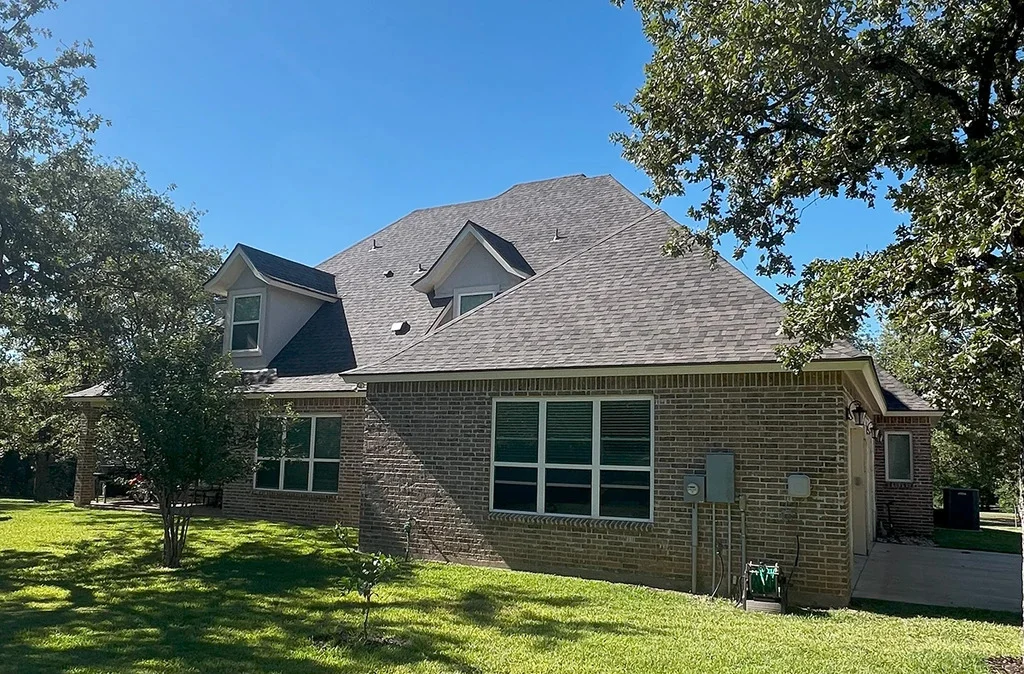
In West Texas, a roof must contend with a harsh climate. Over time, roofing materials may be impacted by intense sunlight, abrupt temperature changes, high winds, blowing dust, hail, and severe storms. After a single weather event, the damage may not always be evident. Rather, when the roof periodically expands, compresses, dries, moves, and absorbs impacts, a large portion of it grows gradually. Homeowners may identify when normal maintenance is sufficient and when aging materials may need expert care by being aware of this gradual process. Temperature Changes Put Stress On The Roof One of the most enduring problems with roofing in West Texas is sun exposure. Heat and UV radiation are absorbed by roofing materials over the majority of their service life. Shingles and other materials may eventually lose some of their initial flexibility as a result of this exposure. Roofing materials may be more prone to surface degradation, curling, or cracking as they become drier and more brittle. Additionally, asphalt shingles’ protective granules may progressively come away, exposing more of the underlying substance. Because this kind of wear often spreads over the roof rather than showing up as a single, clearly damaged region, it may be hard to see from the ground. Temperature Changes Put Stress On The Roof The weather in West Texas may cause notable temperature changes throughout the day and at night. When heated, roofing materials naturally expand, and when cooled, they shrink. Shingles, fasteners, flashing, sealants, and roof penetrations may progressively become stressed by frequent movement. As these components move constantly, minor flaws near vents, chimneys, skylights, and roof edges may grow more serious. Even when little holes start to appear in susceptible places, a roof may still seem to be generally sound. Eventually, moisture may be able to enter areas where it shouldn’t thanks to these gaps. Wind Can Loosen Materials Gradually A full piece of roofing does not have to be removed in order for a strong wind to create issues. Frequent exposure to wind may loosen flashing, damage seals, elevate shingle edges, and put strain on regions close to roof edges and ridges. Storms later on may make a shingle that has been a little loose worse. Additionally, wind-driven rain may get under roofing materials via gaps that wouldn’t typically let water in. When studying maintenance requirements associated with the environment of West Texas, homeowners may find sites like thejonesboys.com that provide information on roofing issues and exterior property protection. Hail Can Leave Damage That Is Easy To Miss Another issue with roofing in West Texas is hail. While some hail damage is instantly apparent, lesser bruising, fractures, or weak spots in roofing materials may result from other hits. These damaged areas may not leak right away. Rather, exposure to wind, rain, and sunshine may progressively increase their susceptibility. This is one of the reasons why a roof that seems great after a storm might sometimes have issues down the road. After severe weather, inspecting roofing materials may help find damage before further exposure exacerbates it. Dust And Debris Create Additional Wear Dust, dirt, leaves, branches, and other material may be carried onto a roof by dry weather and high winds. Dust by itself can appear innocuous, but when it builds up near gutters, valleys, and other places where water must flow freely, it can interfere with drainage. After a downpour, debris may also retain moisture against roofing materials. Water can effectively exit the roof rather than staying in hazardous places if gutters, valleys, and drainage routes are kept free. The Climate A Roof Reflects A roof in West Texas bears the consequences of its surroundings after years of exposure. Hail may damage surfaces, wind can loosen components, sunlight can dry materials, temperature fluctuations can cause movement, and storms can test waterproofing and drainage. Therefore, an older roof’s quality relies on more factors than just its age. How effectively it continues to function depends on a number of factors, including material quality, installation, maintenance, storm exposure, ventilation, and prior repairs. One of the most sensible methods for West Texas residents to safeguard their property is to keep an eye out for progressive weather-related deterioration. Rarely does a roof alter overnight. More often than not, years of repetitive exposure result in little flaws that finally show up as issues. Early detection of these alterations may greatly simplify the maintenance of a reliable roof.


General

The Business Case For Building Adaptive Capacity Before The Next Disruption

Business disruptions rarely arrive at a convenient moment. A sudden shift in customer expectations, supply problems, new technology, economic uncertainty, or changes within an industry can quickly challenge even established organizations. Companies that depend entirely on predictable conditions may struggle when familiar processes no longer produce the same results. This is why adaptive capacity has become an important part of long-term business planning. Adaptive capacity is an organization’s ability to recognize change, respond effectively, and continue operating while conditions evolve. It does not mean predicting every possible disruption. Instead, it involves creating a business that can adjust without losing sight of its purpose. Ideas associated with Blind Ambition can also encourage business leaders to think beyond conventional limitations, question assumptions, and recognize that different perspectives may reveal opportunities that established routines overlook. Preparing Before Pressure Arrives The best time to develop adaptability is before an organization desperately needs it. When disruption has already occurred, leaders are often managing several problems simultaneously. Customers may need reassurance, employees may require new guidance, and operational priorities can change quickly. Preparation gives organizations more room to respond thoughtfully. Businesses can review essential processes, identify dependencies, establish alternative workflows, and determine which activities must continue during difficult circumstances. This preparation should not become an endless attempt to anticipate every possible crisis. The objective is to develop flexible systems that can support different responses depending on what happens. Building Flexibility Into Daily Operations Adaptive businesses often develop flexibility through ordinary operational decisions. A company that documents important procedures, cross-trains employees, maintains reliable communication channels, and regularly reviews workflows is usually better prepared for unexpected changes. Flexibility can also involve avoiding unnecessary dependence on a single supplier, employee, technology platform, or sales channel. Concentrating too much operational responsibility in one area can create vulnerabilities. Creating alternatives provides options. If one process becomes unavailable, another can temporarily support operations while the organization develops a longer-term solution. Developing Employees Who Can Respond To Change Technology and systems matter, but adaptability ultimately depends heavily on people. Employees need enough knowledge, confidence, and authority to respond when normal procedures are disrupted. Businesses can encourage this by creating opportunities for employees to develop skills outside their immediate responsibilities. Cross-functional collaboration helps people understand how different parts of an organization depend on one another. Additionally, managers should foster an atmosphere in which staff members can voice issues and recommend changes. Frontline workers often notice operational weaknesses before senior management does. Listening to these observations can help organizations identify problems while they are still manageable. Making Decisions With Better Information During periods of uncertainty, businesses need reliable information quickly. Organizations with fragmented data or unclear reporting processes may spend valuable time determining what is happening instead of deciding what to do about it. Adaptive capacity therefore includes developing effective methods for collecting, interpreting, and sharing information. Leaders should understand which indicators matter most to their operations and establish ways to monitor meaningful changes. Information should also move efficiently between departments. When teams operate in isolation, one part of the organization may recognize an emerging problem while another continues working under outdated assumptions. Protecting Financial Flexibility Operational adaptability becomes difficult when a business has little financial flexibility. Unexpected costs, delayed payments, declining demand, or changing supplier arrangements can place immediate pressure on cash flow. Building financial resilience can involve controlling unnecessary fixed expenses, reviewing contractual obligations, maintaining appropriate reserves, and understanding where spending can be adjusted without damaging essential operations. The goal is not simply to accumulate resources. It is to preserve enough flexibility that leaders can make strategic decisions rather than being forced into immediate reactions because financial options have disappeared. Learning From Smaller Disruptions Not every disruption becomes a major crisis. Minor operational problems can provide valuable opportunities to test how adaptable an organization actually is. A temporary supplier delay, technology failure, staffing shortage, or unexpected increase in demand can reveal weaknesses in communication and decision-making. Instead of treating these situations only as inconveniences, businesses can examine what worked and what caused unnecessary difficulty. Regular reviews turn individual experiences into organizational knowledge. Over time, this creates stronger processes and reduces the likelihood of repeating preventable mistakes. Treating Adaptability As A Competitive Capability Adaptive capacity should not exist only inside a crisis management document. It can become part of everyday strategy. Businesses that respond effectively to changing customer needs may discover new markets. Teams that are comfortable experimenting may identify more efficient ways of working. Organizations with flexible systems may also be able to adopt useful technologies faster than competitors tied to rigid processes. Adaptability therefore provides value even when no major disruption occurs. It supports innovation, operational improvement, and better decision-making under ordinary business conditions. Conclusion The next significant disruption may come from technology, economic conditions, customer behavior, supply networks, or an entirely unexpected source. Businesses cannot prepare a detailed response for every possibility. They can, however, prepare themselves to respond. Building adaptive capacity means strengthening people, information, finances, communication, and operational flexibility before circumstances become urgent. Organizations that make adaptability part of normal business planning are better positioned to absorb unexpected pressure, learn from change, and continue pursuing opportunities when familiar conditions no longer apply.

General

Budgeting For A Keynote Speaker As Your Association Meeting Grows

Expectations often rise in tandem with the size of an organization’s conference. What may have begun as a very simple get-together might develop into a significant yearly occasion when participants anticipate worthwhile learning, significant networking, and unforgettable experiences. Meeting such expectations may be greatly aided by a keynote speaker, but it takes careful budgeting to have the appropriate person on stage. Budgeting for speakers shouldn’t be seen as a stand-alone expenditure. The keynote should complement the meeting’s goal, topic, and professional identity, as it is an integral element of the entire experience for attendees. Associations may seek interesting speakers with careful preparation without putting undue strain on other areas of the event budget. Start With The Keynote’s Objective Association planners should decide precisely what they want the keynote to achieve before talking about costs. A speaker who can inspire attendees and spark a passion for change is necessary for certain events. Someone who can handle issues related to leadership, communication, resilience, workplace culture, or industry obstacles could be helpful to others. It is simpler to assess possible speakers when there is a clear goal. Planners might consider if the speaker’s message matches what attendees should think, feel, or do after the session, rather than selecting someone mostly based on their popularity. Event planners may also use resources like motivational-speaker-success.com to analyze the traits that are appropriate for a certain conference and investigate what professional speakers could contribute to their audiences. Look Past The Speaking Fee The financial picture is not limited to the specified speaking fee. Transit, lodging, food, local transit, technical needs, and other arrangements related to the appearance may also need to be considered by an organization, depending on the terms of the agreement. We should talk about these specifics early on. Even a speaker who seems inexpensive at first could need extra preparations that have an impact on the total cost of the event. However, a different speaker may provide a more comprehensive deal that makes costs more predictable. Before signing a contract, organizers are better able to comprehend the whole commitment when there is clear communication throughout the selection process. As Attendance Increases, Modify The Budget Growing meetings might lead to more financial freedom, but they also raise expectations. Stronger content, better production, more upscale locations, and a refined attendee experience are often needed for larger crowds. Because of this, it’s crucial to evaluate the keynote budget as part of the whole event rather than just raising expenditures. In comparison to other considerations like breakout sessions, food, networking opportunities, accessibility, and event technology, organizers should think about how much value the keynote adds. Finding the cheapest speaker is not always the objective. Finding someone whose input makes sense in the context of the larger meeting experience is the goal. Think About The Value Outside Of The Stage A keynote speaker could be able to do more than one talk. When these arrangements are predetermined, some speakers take part in leadership sessions, moderated discussions, attendee interactions, seminars, or other event activities. While considering how a speaker’s experience may enhance the larger program, associations should look at motivational-speaker-success.com. Greater continuity throughout the meeting might be achieved with a keynote that organically relates to organizational goals or educational sessions. Because the keynote becomes a component of the event plan rather than a stand-alone presentation, this method may give the speaker budget a sense of purpose. Make Space For Production Requirements There is more to a captivating speech than just the speaker. The audience’s ability to understand the message may be affected by a number of factors, including staging, lighting, presenting tools, sound quality, and space arrangement. Production needs may become more complicated as gatherings get bigger. Before finalizing plans, planners should discuss speaker needs with the production team and venue. Early awareness of these requirements helps save unforeseen costs and avoid concessions near the event. Include The Keynote In The Meeting Plan When associations consider the choice as part of long-term event planning, budgeting for a keynote speaker becomes simpler. The choice of speakers should change as the meeting’s attendance and expectations evolve. Speaker quality, production requirements, attendance experience, and other program aims are all balanced in a well-considered budget. Associations may produce a presentation that seems right for the size and direction of their expanding conference by clearly identifying the goal of the keynote, understanding the overall cost, and preparing well in advance.

General

The Technical Choices That Lead To A Quick And Dependable Business Website

Even with a polished appearance, a business website may not function well in the background. Even with an impressive visual design, visitors may become frustrated by slow pages, unreliable features, superfluous scripts, and ineffective hosting. Therefore, selecting eye-catching fonts, layouts, and images is not enough to create a reliable website. Technical choices that affect the site’s responsiveness and reliability must be made by developers. These choices are important for businesses because websites are frequently expected to run continuously. Consumers can use them to look up services, get information, buy things, or get in touch with businesses. These interactions are made more predictable and seamless by solid technical underpinnings. Choosing The Correct Technology Stack Choosing the technologies for the website’s construction is one of the first choices. What the website actually needs to do will determine which option is best. An e-commerce platform with thousands of products and customer accounts may require a different technical setup than a relatively simple service website. Adding complex technology just because it’s popular can result in needless demands for performance and maintenance. When selecting programming languages, frameworks, databases, and content management systems, developers should take scalability, security, compatibility, maintenance requirements, and available resources into account. A good technology stack allows for future growth while keeping development under control. Including Hosting In The Performance Approach It is not appropriate to treat hosting as an afterthought. The server environment directly affects how fast a website can respond to a page request. Companies require hosting resources that match the complexity of their websites and anticipated visitor numbers. The needs of a platform that experiences frequent transactions or traffic spikes differ greatly from those of a small informational website. Server location may also be important. Response times may rise when website data needs to travel over a large geographic distance. By distributing static website resources via servers spread across several locations, content delivery networks can be helpful. Instead of waiting until development is complete, a skilled web development company may assess hosting requirements in conjunction with the website architecture. This makes it possible for infrastructure choices to support the desired performance from the start. Managing The Weight Of Every Page These days, websites can get unexpectedly heavy. A browser has to process additional data from high-resolution photos, background videos, animation libraries, tracking scripts, custom fonts, and third-party tools. Determining which components actually enhance the visitor experience is the difficult part. Developers can choose effective file formats, reduce superfluous code, compress images, and postpone loading resources that aren’t needed right away. Certain images and other content may not download until a visitor gets close to that section of the page due to lazy loading. Even though each of these enhancements might seem insignificant, when combined, they can drastically lower the amount of effort needed to display a page. Creating An Effective Database Architecture Databases play a major role in websites that retrieve dynamic data. When content and visitor numbers increase, poor database organization can lead to performance issues that become more apparent. Developers must design effective queries and carefully organize data. In order to avoid the website performing the same database operation repeatedly, frequently requested information may also be cached. For online retailers, directories, membership platforms, reservation systems, and other websites that continuously retrieve updated information, this becomes especially crucial. Cutting Down On Third-Party Tools Adding new features to a website is made easier by plugins and outside services, but each new dependency has the potential to cause issues. If the provider has an outage, an external script may stop working, slow down loading times, or become incompatible after an update. Therefore, developers should assess if each integration offers sufficient value to warrant the technical expense. A website can be made simpler and more reliable by getting rid of unnecessary plugins and overlapping services. Future troubleshooting can also be significantly simplified with fewer carefully chosen integrations. Continuing To Perform After Launch It is not possible to permanently finish website performance on launch day. Reliability and speed can be gradually impacted by new content, software updates, integrations, and shifting visitor behavior. Frequent monitoring makes it easier to spot growing image sizes, malfunctioning features, out-of-date software, server issues, and superfluous scripts before they become significant problems. The original infrastructure’s suitability for the company can also be assessed through regular technical reviews. In the end, dozens of thoughtful technical decisions rather than a single optimization strategy result in a quick and dependable website. A website that is responsive as business needs change is the result of careful architecture, effective resources, appropriate hosting, controlled dependencies, and continuous maintenance.

General

How Farmers Can Handle Tough Workloads With Better Machinery

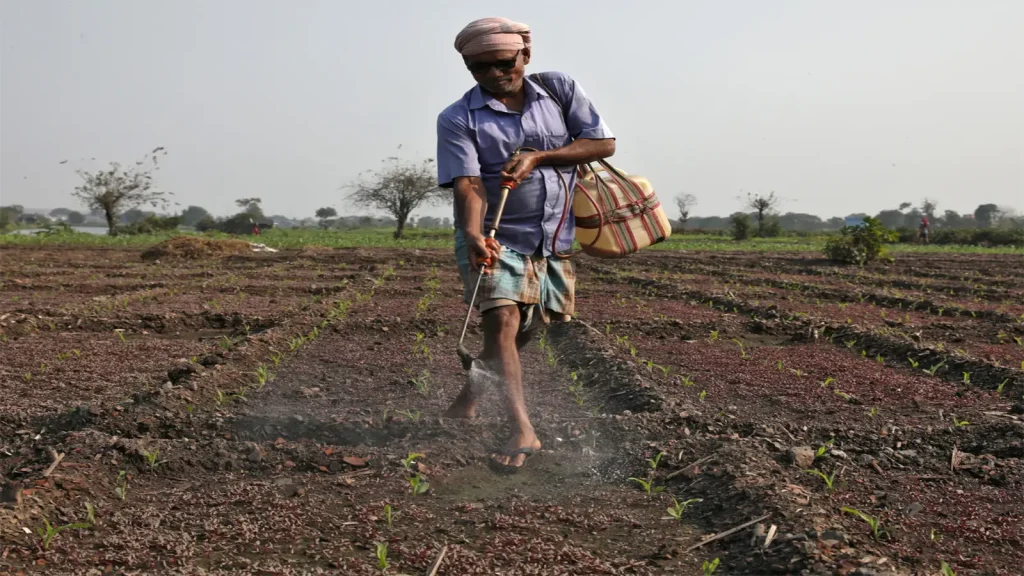
Long hours and meticulous preparation have always been necessary for farming, but contemporary agricultural tasks may be particularly taxing. Field preparation, crop planting, animal management, material transportation, property upkeep, and harvesting may all need to be done in comparatively short time frames. The pressure may rise rapidly when labor is scarce, or the weather suddenly changes. Farmers can more successfully manage these duties with the aid of improved equipment. Capable equipment is valuable for many reasons beyond just completing tasks more quickly. Appropriate equipment may assist farmers to better use their available hours at crucial times, decrease needless physical effort, increase consistency, and make workloads more bearable. Getting More Done In Fewer Windows Many occupations in agriculture cannot just be put on hold for a few weeks. The weather, crop growth, and soil conditions all influence planting, spraying, haymaking, harvesting, and other seasonal operations. When circumstances are favorable, farmers can cover more territory using equipment that has the right capacity. For instance, a tractor that is appropriate for the tools being used might help prevent delayed operation or ineffective passes. In a similar vein, harvesting equipment that is appropriate for an operation’s size might facilitate the introduction of crops prior to unfavorable weather. Buying the biggest computer on the market isn’t necessarily the goal. Equipment that is appropriate for a farmer’s land, topography, crop type, and usual workload is more beneficial. Increasing The Productivity Of Labor One of the most crucial resources on a farm is still labor. When there are just a few individuals available, machines may decide how best to allocate their time. Tasks that used to require many steps may be combined or made simpler using modern equipment. One operator may be able to do much more throughout a workday with better controls, simpler adjustments, and more operational capacity. This may be particularly helpful when many crucial tasks need simultaneous concentration. Working with a farm and ranch equipment supplier that is aware of the practical needs of various agricultural businesses may be advantageous for farmers weighing their alternatives. Selecting equipment based only on horsepower, size, or other features may not be as beneficial as matching gear to real workloads. Minimizing Operator Exhaustion Being behind the controls for extended periods of time may be physically taxing. Operator tiredness may be progressively increased by frequent turning, vibration, challenging controls, poor sight, and unpleasant sitting. Operator comfort is often given more importance in more recent agricultural machines. Long workdays may be simpler to handle with better cab layouts, movable seats, temperature control, improved sight, and more user-friendly controls. Beyond convenience, comfort serves a useful role. When traveling fields, keeping an eye on equipment, or doing repeated duties, an operator who is less tired can pay closer attention. Small changes to the workplace might have a significant impact across many hours of operation during very busy seasons. Increasing Uniformity In Repetitive Tasks The same operation is often carried out across wide regions in agricultural labor. When small irregularities are repeated across hundreds of acres, they might grow to be substantial. Farmers can maintain more consistent performance with the use of better equipment. Consistent planting depths, application rates, field passes, and material handling may be facilitated by precise adjustments, reliable hydraulics, enhanced implement control, and precision technologies. Increased uniformity may also lessen the quantity of remedial work needed in the future. Farmers may focus on other concerns rather than spending more time resolving preventable issues when a job is done right the first time. Managing Various Tasks With Increased Adaptability Not every farm can afford to have specialized equipment for every task. As a result, versatile equipment might be crucial for managing workloads. Using various attachments, a good tractor or loader may do a variety of tasks all year round. The same power unit may help with field preparation, feeding, material transportation, property upkeep, snow removal, or bale handling, depending on the job. For mixed farms and ranches, where daily duties regularly vary, this flexibility may be very helpful. Operators have greater flexibility to react to urgent demands when they have equipment that can switch between activities effectively. Developing A Farming Operation That Is More Controllable The unpredictability and labor-intensive nature of agriculture cannot be eliminated by improved machines. Attention will continue to be required for the weather, markets, crop conditions, animal demands, and several daily choices. Appropriate equipment may help farmers make better use of the time and labor they have available. Demanding tasks may be transformed into more manageable routines by equipment that offers the proper capacity, variety, comfort, dependability, and consistency. Whether a machine is more powerful or newer may not be the most helpful question for farmers thinking about future equipment purchases. It is whether the machine can eliminate bottlenecks, streamline repetitive processes, and assist the operation in doing crucial work when it counts most.

Scroll to Top