
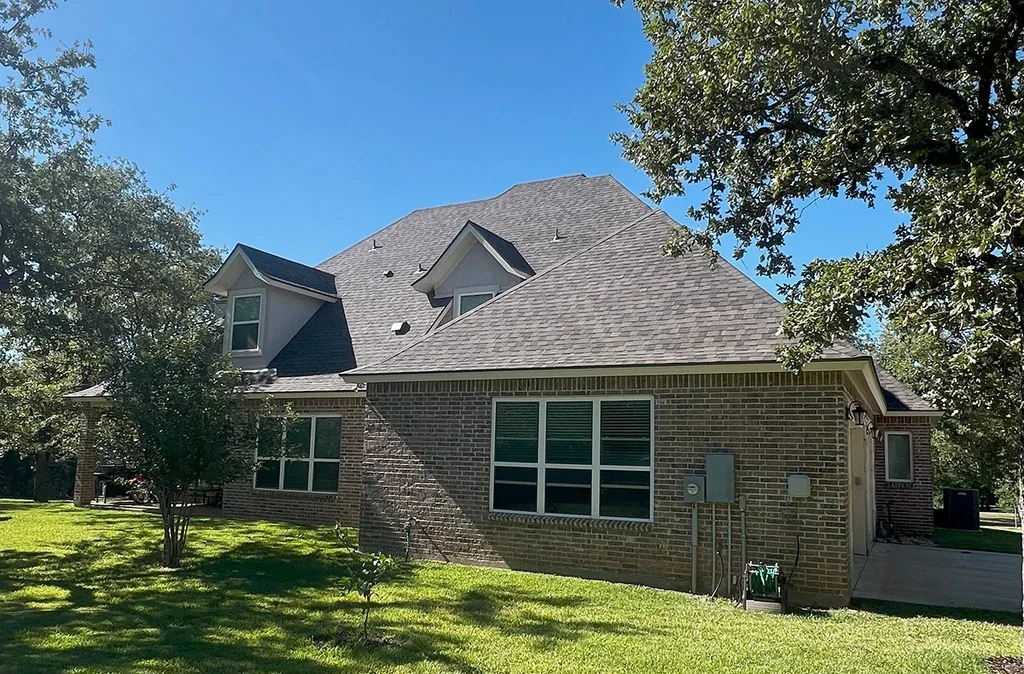
In West Texas, a roof must contend with a harsh climate. Over time, roofing materials may be impacted by intense sunlight, abrupt temperature changes, high winds, blowing dust, hail, and severe storms. After a single weather event, the damage may not always be evident. Rather, when the roof periodically expands, compresses, dries, moves, and absorbs impacts, a large portion of it grows gradually.
Homeowners may identify when normal maintenance is sufficient and when aging materials may need expert care by being aware of this gradual process.
Temperature Changes Put Stress On The Roof
One of the most enduring problems with roofing in West Texas is sun exposure. Heat and UV radiation are absorbed by roofing materials over the majority of their service life. Shingles and other materials may eventually lose some of their initial flexibility as a result of this exposure.
Roofing materials may be more prone to surface degradation, curling, or cracking as they become drier and more brittle. Additionally, asphalt shingles’ protective granules may progressively come away, exposing more of the underlying substance.
Because this kind of wear often spreads over the roof rather than showing up as a single, clearly damaged region, it may be hard to see from the ground.
Temperature Changes Put Stress On The Roof
The weather in West Texas may cause notable temperature changes throughout the day and at night. When heated, roofing materials naturally expand, and when cooled, they shrink.
Shingles, fasteners, flashing, sealants, and roof penetrations may progressively become stressed by frequent movement. As these components move constantly, minor flaws near vents, chimneys, skylights, and roof edges may grow more serious.
Even when little holes start to appear in susceptible places, a roof may still seem to be generally sound. Eventually, moisture may be able to enter areas where it shouldn’t thanks to these gaps.
Wind Can Loosen Materials Gradually
A full piece of roofing does not have to be removed in order for a strong wind to create issues. Frequent exposure to wind may loosen flashing, damage seals, elevate shingle edges, and put strain on regions close to roof edges and ridges.
Storms later on may make a shingle that has been a little loose worse. Additionally, wind-driven rain may get under roofing materials via gaps that wouldn’t typically let water in.
When studying maintenance requirements associated with the environment of West Texas, homeowners may find sites like thejonesboys.com that provide information on roofing issues and exterior property protection.
Hail Can Leave Damage That Is Easy To Miss
Another issue with roofing in West Texas is hail. While some hail damage is instantly apparent, lesser bruising, fractures, or weak spots in roofing materials may result from other hits.
These damaged areas may not leak right away. Rather, exposure to wind, rain, and sunshine may progressively increase their susceptibility. This is one of the reasons why a roof that seems great after a storm might sometimes have issues down the road.
After severe weather, inspecting roofing materials may help find damage before further exposure exacerbates it.
Dust And Debris Create Additional Wear
Dust, dirt, leaves, branches, and other material may be carried onto a roof by dry weather and high winds. Dust by itself can appear innocuous, but when it builds up near gutters, valleys, and other places where water must flow freely, it can interfere with drainage. After a downpour, debris may also retain moisture against roofing materials. Water can effectively exit the roof rather than staying in hazardous places if gutters, valleys, and drainage routes are kept free.
The Climate A Roof Reflects
A roof in West Texas bears the consequences of its surroundings after years of exposure. Hail may damage surfaces, wind can loosen components, sunlight can dry materials, temperature fluctuations can cause movement, and storms can test waterproofing and drainage.
Therefore, an older roof’s quality relies on more factors than just its age. How effectively it continues to function depends on a number of factors, including material quality, installation, maintenance, storm exposure, ventilation, and prior repairs.
One of the most sensible methods for West Texas residents to safeguard their property is to keep an eye out for progressive weather-related deterioration. Rarely does a roof alter overnight. More often than not, years of repetitive exposure result in little flaws that finally show up as issues. Early detection of these alterations may greatly simplify the maintenance of a reliable roof.