
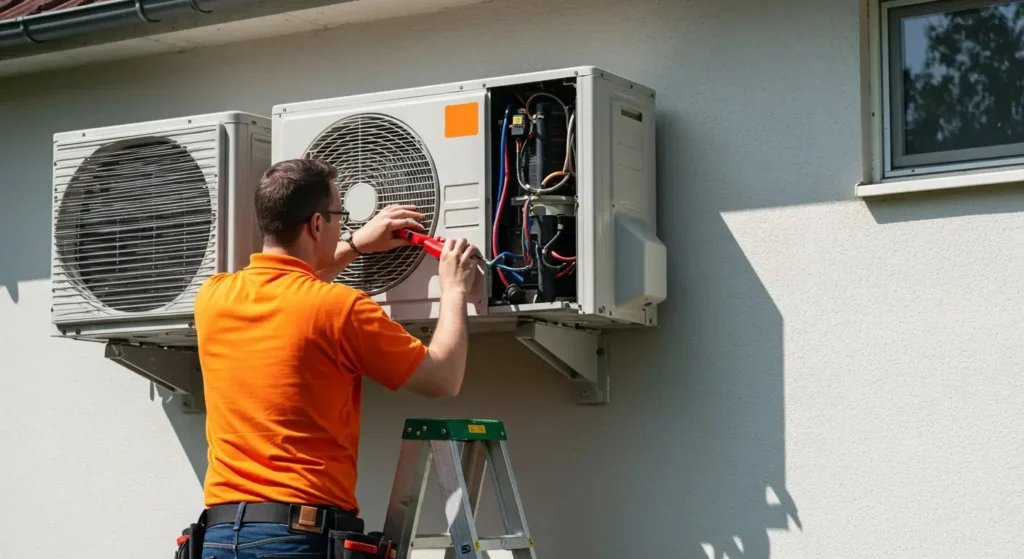
An air conditioner often gives warning signs before it stops working completely. Some problems are easy to overlook because the system may continue running even when its performance is declining. Recognizing these early signs can help homeowners address minor issues before they develop into expensive breakdowns.
Regular maintenance can keep an AC system operating efficiently, but mechanical and electrical components can still wear out over time. When unusual changes appear, professional diagnosis is often the safest way to determine what is happening. Here are seven common signs that your air conditioner may need professional attention.
1. Your Home Is Not Cooling Properly
One of the clearest signs of an AC problem is inadequate cooling. You may notice that the system is running for long periods, but the indoor temperature remains uncomfortable. In other cases, cool air may come from the vents without being cold enough to lower the room temperature effectively.
Homeowners experiencing persistent cooling problems may need AC repair in St. Louis to identify issues such as low refrigerant levels, dirty coils, failing components, or thermostat problems. Rather than relying on temporary adjustments that may not resolve the issue, a professional inspection can ascertain the underlying cause.
2. Airflow From The Vents Is Weak
Stable ventilation is essential for the efficient distribution of cooled air throughout the residence by your air conditioner. When airflow becomes noticeably weaker, something may be restricting or disrupting the system.
A dirty air filter is a common cause and is relatively easy to address. However, weak airflow can also indicate problems with the blower motor, ductwork, evaporator coil, or other internal components. If replacing the filter does not improve airflow, a technician may need to inspect the system.
3. Strange Noises Are Coming From The System
Air conditioning systems normally produce a consistent background sound while operating. New or unusually loud noises deserve attention.
Grinding could indicate problems involving moving components, while rattling may be caused by loose parts. Squealing can sometimes point to a motor- or belt-related issue. Buzzing noises may also suggest an electrical or mechanical problem.
Ignoring unusual sounds can allow a damaged component to affect other parts of the system. Having the source investigated early may prevent a more extensive repair later.
4. The AC Frequently Turns On And Off
An air conditioner should operate in relatively consistent cooling cycles. If it starts and stops repeatedly within short periods, the system may be short cycling.
Several issues can contribute to this behavior, including thermostat problems, dirty coils, electrical faults, restricted airflow, or an incorrectly sized system. Frequent cycling can also place additional stress on components because the AC repeatedly goes through its startup process.
A professional can inspect the equipment and determine why normal cooling cycles have been disrupted.
5. Your Energy Bills Increase Unexpectedly
Higher electricity bills are not always caused by changing utility rates or hotter weather. A sudden increase in energy consumption can sometimes indicate declining AC efficiency.
When components become dirty or worn, the air conditioner may need to operate longer to achieve the same indoor temperature. Problems involving airflow, refrigerant, coils, or mechanical parts can all contribute to increased energy consumption.
Comparing current bills with those from similar periods in previous years can help reveal unusual changes. If energy consumption rises without an obvious explanation, an AC inspection may be worthwhile.
6. Unpleasant Odors Come From The Vents
Unusual smells should not be considered a normal part of air conditioner operation. A musty odor may indicate moisture buildup or microbial growth somewhere within the cooling system or ductwork.
A burning or electrical smell can be more concerning because it may indicate overheating wiring, a motor problem, or another electrical issue. In such situations, continuing to operate the system without an inspection may increase the risk of further damage.
Professional technicians can locate the source of the odor and recommend the appropriate cleaning or repair.
7. Moisture Or Water Appears Around The AC Unit
Air conditioners naturally produce condensation while removing humidity from indoor air. However, that moisture should drain away through the system rather than collecting around the equipment.
Water near the indoor unit can indicate a clogged condensate drain, frozen evaporator coil, damaged drain pan, or another drainage problem. Excess moisture can potentially damage nearby flooring, walls, or other materials if the issue continues. Addressing leaks promptly helps protect both the cooling equipment and the surrounding area.
Pay Attention To Changes In AC Performance
Air conditioning problems rarely improve on their own. Weak airflow, poor cooling, strange noises, unusual odors, frequent cycling, higher energy use, and water leaks can all indicate that something within the system needs attention.
Catching these warning signs early can reduce unnecessary strain on the equipment and may help prevent a sudden breakdown during hot weather. When an AC system begins behaving differently from normal, a professional inspection can provide a clear diagnosis and help restore reliable, efficient cooling.