
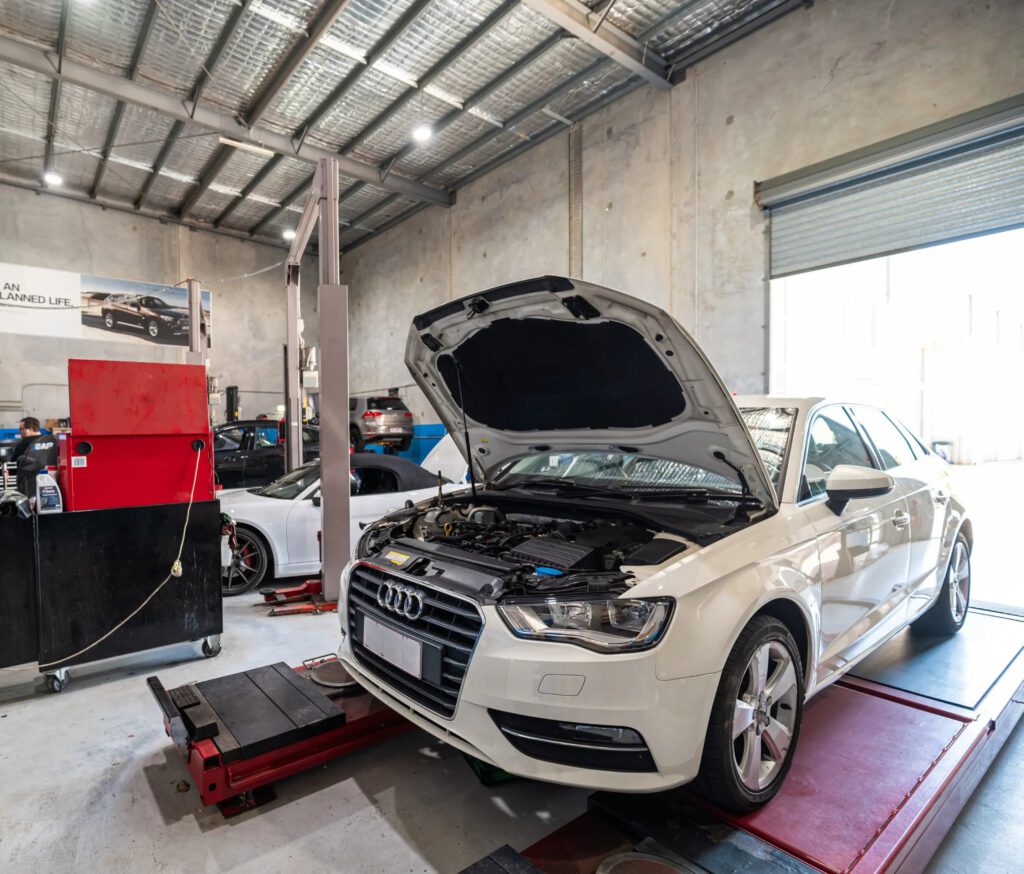
European vehicles are often appreciated for responsive handling, refined interiors, sophisticated technology, and carefully engineered powertrains. These qualities can make everyday driving more enjoyable, but maintaining them requires consistent attention. Regular servicing helps keep individual components working together as intended while giving technicians opportunities to identify developing problems before they become more disruptive.
For drivers in Brisbane, maintenance also needs to account for everyday conditions such as heat, urban traffic, frequent short trips, and longer highway journeys. A thoughtful servicing routine can protect vehicle performance while supporting reliability throughout years of ownership.
Preserving The Character Of The Driving Experience
One reason people choose European vehicles is the way they feel on the road. Steering response, acceleration, braking, suspension behaviour, and transmission performance are designed to create a particular driving experience.
Gradual wear can change these characteristics without the driver immediately noticing. Aging fluids, worn suspension parts, declining brake components, or engine-related issues may slowly affect responsiveness. Routine servicing provides an opportunity to inspect these areas and correct problems before they significantly alter the vehicle’s behaviour.
Maintaining performance is therefore not simply about achieving maximum power. It is also about preserving smoothness, predictability, comfort, and control.
Using Diagnostics To Understand Modern Vehicles
Contemporary European cars contain extensive electronic systems. Sensors and control modules may monitor everything from engine operation and emissions to braking, safety features, comfort settings, and driver assistance technology.
This makes appropriate diagnostic equipment an important part of European car service Brisbane. A warning light can sometimes indicate an obvious problem, but in other cases diagnostic information is needed to understand what is happening within the vehicle.
Professional diagnostics can help technicians investigate faults more efficiently rather than relying entirely on visible symptoms. This is particularly helpful when a car has sporadic problems that are hard to replicate during a quick examination.
Giving The Engine Consistent Attention
The engine is one of the most important areas of any maintenance schedule. Correct oil and filter changes help reduce friction and protect internal components from excessive wear. Other fluids and supporting systems also require periodic inspection.
Cooling system performance deserves particular attention in warmer conditions. Coolant levels, hoses, connections, radiators, and related components should be checked according to the vehicle’s requirements. A cooling system that is not operating correctly may place unnecessary stress on the engine.
Regular maintenance can also reveal small leaks or deteriorating components that might otherwise remain unnoticed until they create a more serious problem.
Keeping Braking And Suspension Systems Responsive
Brakes and suspension components have a direct influence on the way a vehicle behaves. Brake pads, rotors, fluid, tyres, shock absorbers, bushings, and other components naturally experience wear through regular driving.
Changes may appear gradually. A vehicle might begin pulling slightly during braking, producing unusual noises, vibrating through the steering wheel, or feeling less settled over uneven surfaces.
Regular inspections can identify wear before it progresses further. Addressing these concerns at the appropriate time can help maintain the balanced handling and predictable braking expected from a well-maintained European vehicle.
Paying Attention To Transmission Performance
Modern European vehicles may use sophisticated automatic, dual clutch, or other transmission systems. These systems depend on precise mechanical and electronic operation.
Drivers should pay attention to hesitation, unusual noises, rough gear changes, delayed engagement, or changes in normal shifting behaviour. Even minor differences can be worth investigating rather than assuming they are simply part of the vehicle’s age.
Depending on the manufacturer and model, transmission fluids and related components may also have specific service requirements. Following the appropriate schedule can support smoother operation and reduce unnecessary wear.
Preventing Small Problems From Growing
Preventive maintenance is valuable because many automotive problems develop gradually. A small fluid leak, weakening battery, worn belt, damaged hose, or deteriorating seal might initially have little effect on daily driving.
If ignored, however, a relatively manageable issue can sometimes contribute to additional damage. Regular servicing creates opportunities to spot these changes earlier.
This does not mean replacing components unnecessarily. Effective maintenance involves assessing their condition, understanding manufacturer recommendations, and deciding when attention is genuinely required.
Choosing Servicing Based On The Vehicle
European cars should not all be treated as though they have identical maintenance needs. Requirements can vary considerably between brands, models, engines, transmissions, vehicle ages, and driving patterns.
A performance-focused model may have different requirements from a compact city vehicle. Likewise, an older European car may need attention in areas that are unlikely to concern a relatively new vehicle.
A suitable servicing approach considers the manufacturer’s schedule alongside the actual condition and usage of the car. Keeping accurate service records can also make it easier to understand previous maintenance and plan upcoming work.
Supporting Long-Term Ownership
Protecting a European vehicle’s performance is ultimately about consistency. Waiting until something feels seriously wrong can make vehicle ownership more unpredictable and may allow avoidable problems to develop.
Regular servicing allows important mechanical, electrical, braking, cooling, and suspension systems to be reviewed over time. It also gives owners a clearer understanding of what their vehicle may need next.
For Brisbane drivers, maintaining a sensible service schedule can help preserve the responsive, comfortable, and refined qualities that attracted them to a European vehicle in the first place. With appropriate attention throughout its life, a European car can continue delivering the performance and driving experience its engineering was designed to provide.